If you file taxes in Northern Virginia, here’s the uncomfortable truth: Virginia does not play by federal tax deadline rules. Every year, small business owners, contractors, and even high-income W-2 earners in Fairfax, Arlington, Loudoun, and surrounding areas miss deadlines or pay penalties simply because they assume Virginia follows the IRS calendar.
It doesn’t.
This 2026 tax filing deadlines guide is built specifically for DMV filers who want clarity, not confusion. We’re breaking down federal vs Virginia deadlines, what changes in 2026, and the exact filing mistakes TriLedger sees every single year from otherwise smart business owners.
If you want to file clean, on time, and without last-minute panic, this is the checklist you save.
Why 2026 Is a High-Risk Year for Tax Filers in Northern Virginia
The 2026 tax year creates a perfect storm for filing errors.
Federal deadlines stay familiar, while Virginia keeps its unique May 1 timeline, extended filing rules, and separate estimated tax cadence. Add in small business income, pass-through entities, contractor payments, and quarterly estimates, and mistakes compound fast.
What makes this worse in Northern Virginia is the number of taxpayers who fall into multiple categories at once:
• Small business owners with W-2 income
• Federal contractors with variable income
• S-Corp owners paying themselves payroll
• Multi-state earners working remotely
• Military families and government employees
TriLedger regularly sees penalties triggered not by underpayment, but by filing the right forms at the wrong time.
2026 Federal Tax Filing Deadlines (What Most People Know)
Let’s start with the federal side, because this is where most people stop reading. That’s also where the mistakes begin.
Federal Individual Income Tax Deadlines for 2026
For individuals and single-member LLCs filing on Schedule C, these dates matter:
• April 15, 2026 — Federal individual income tax return due
• April 15, 2026 — Final payment due if you owe
• October 15, 2026 — Extension deadline to file (extension to file, not to pay)
If you owe federal taxes, payment is still due by April 15, even if you file an extension.
Also Read: Virginia State Sales Tax: Rates, Rules, and What Businesses in Northern Virginia Must Know (2026)
Federal Estimated Tax Deadlines for 2026
If you’re self-employed or under-withheld, quarterly estimated payments follow this schedule:
• April 15, 2026
• June 15, 2026
• September 15, 2026
• January 15, 2027
Missing even one payment can trigger penalties, even if your annual return looks correct.
Federal Business Tax Deadlines for 2026
This is where entity type starts to matter.
S-Corporations and Partnerships
• March 15, 2027 — Federal return due
• September 15, 2027 — Extension deadline
C-Corporations
• April 15, 2027 — Federal return due
• October 15, 2027 — Extension deadline
This is where many Virginia filers assume the state follows the same timeline. It does not.
Virginia Tax Filing Deadlines for 2026 (Where People Get Burned)
Virginia runs on its own calendar, and it’s one of the most commonly misunderstood state systems in the country.
Virginia Individual Income Tax Deadlines for 2026
Here’s the key date DMV filers forget:
• May 1, 2027 — Virginia individual income tax return due
Not April 15.
Not aligned with the IRS.
Always May 1.
This applies to residents, part-year residents, and non-residents with Virginia-source income.
Virginia Extension Rules (Critical Difference)
Virginia automatically grants a six-month extension to file, pushing the deadline to:
• November 1, 2027 — Extension to file
But here’s the trap:
Virginia extensions are only extensions to file, not to pay.
Payment is still due by May 1, or penalties and interest start immediately.
This is one of the most common errors TriLedger corrects for Fairfax and Arlington clients.
Virginia Estimated Tax Deadlines for 2026
Virginia estimated payments follow a similar quarterly structure, but filers often forget to align them with state-specific calculations.
Virginia estimated tax payment dates:
• April 15, 2026
• June 15, 2026
• September 15, 2026
• January 15, 2027
If you’re paying federal estimates but skipping Virginia estimates, the state will still assess penalties.
Virginia Business Tax Deadlines for 2026
This is where things diverge sharply from federal expectations.
Virginia S-Corporations and Partnerships
• March 15, 2027 — Virginia return due
• September 15, 2027 — Extension deadline
Forms and filing requirements differ from federal returns, even when income is the same.
Virginia C-Corporations
• May 1, 2027 — Virginia corporate income tax return due
• November 1, 2027 — Extension to file
This May 1 date surprises a lot of business owners who budgeted for April.
What DMV Filers Miss Every Single Year
After working with hundreds of Northern Virginia taxpayers, TriLedger sees the same issues repeat.
Here’s what people miss most often.
Assuming Virginia Matches Federal Deadlines
It doesn’t. Ever.
This single assumption causes late filings, late payments, and unnecessary penalties.
Paying Federal Estimates but Forgetting Virginia
Federal estimates don’t cover state obligations. Virginia expects its own estimated payments.
Filing Extensions Without Making Payments
Extensions buy time for paperwork, not for payment. Virginia is especially strict here.
Ignoring Entity-Specific Rules
S-Corps, partnerships, and C-Corps all have different filing calendars at the state level.
Waiting Until April to Call a Tax Advisor
By April, most planning opportunities are gone. At that point, it’s damage control.
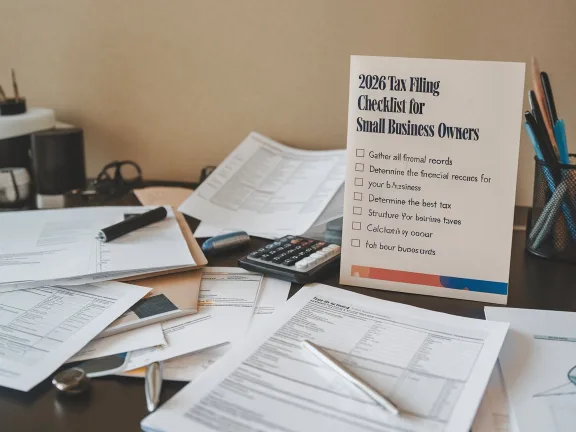
2026 Small Business Tax Deadlines DMV Checklist
If you’re a business owner in Fairfax, Arlington, Loudoun, or Prince William County, use this checklist.
Before March 15, 2027
• Finalize bookkeeping
• Issue W-2s and 1099s
• File S-Corp or partnership returns
Before April 15, 2026
• Pay Q1 federal and Virginia estimates
• Maximize retirement contributions where applicable
Before May 1, 2027
• File or pay Virginia individual or corporate taxes
• Confirm state payment cleared
Before September and October 2027
• File extended federal and Virginia returns if applicable
How TriLedger Helps DMV Filers Stay Ahead in 2026
TriLedger works with Northern Virginia taxpayers who want predictability, not panic.
Our approach is built around:
• Federal and Virginia deadline coordination
• Small business tax planning, not just filing
• Estimated tax forecasting for both IRS and Virginia
• Entity-specific filing strategies
• Bookkeeping cleanup before deadlines hit
We don’t wait until April to talk about taxes. We plan early so filing season is boring. Boring is good.

Who This Guide Is Built For
This guide is especially relevant if you are:
• A small business owner in Fairfax County
• An S-Corp owner in Arlington or Alexandria
• A consultant or contractor in Loudoun County
• A multi-income household in McLean or Reston
• A business owner tired of surprise tax bills
If any of that sounds familiar, this isn’t optional reading.
Final Takeaway: 2026 Rewards Prepared Filers
The difference between a smooth tax season and a stressful one in 2026 will come down to knowing which deadlines apply to you and acting before they sneak up.
Federal rules are predictable.
Virginia rules are different.
DMV filers who ignore that difference pay for it.
TriLedger helps Northern Virginia individuals and businesses file correctly, pay on time, and plan ahead so taxes stop feeling like a moving target. See us on Instagram & LinkedIn.
If you want 2026 to be the year you finally feel in control of your tax deadlines, this is where it starts.